Email marketing remains one of the highest-performing channels for B2B businesses, delivering consistent opportunities to engage prospects and drive conversions. An effective Email Lead Nurturing strategy helps businesses build trust by sending relevant messages at the right stage of the buyer’s journey instead of relying on one-size-fits-all campaigns. However, in 2026, sending generic email campaigns is no longer enough. Buyers expect personalized experiences, relevant content, and timely communication that addresses their specific business needs.
Email lead nurturing is the process of building relationships with prospects through strategic email campaigns until they are ready to buy. When supported by B2B Demand Generation Services, Intent Data, and marketing automation, email nurturing helps businesses convert more prospects into Sales-Qualified Leads while accelerating Pipeline Growth.
Whether you’re a startup or an enterprise organization, following these 12 best practices will help improve engagement, increase conversions, and maximize your email marketing ROI.
1. Build a Permission-Based Email List
Start with an audience that genuinely wants to hear from you. Grow your email list through webinars, downloadable guides, newsletters, landing pages, and valuable gated content instead of purchasing email databases.
A high-quality list delivers better engagement and stronger conversion rates.
2. Segment Your Audience
Every prospect is at a different stage of the buying journey. Segment your contacts based on industry, company size, job title, buying intent, engagement level, or previous interactions.
Segmentation allows you to send highly relevant emails that generate better results.
3. Personalize Every Email
Personalization goes beyond using the recipient’s first name. Tailor your messaging according to industry challenges, business goals, and previous engagement.
Relevant emails build trust and significantly improve open rates, click-through rates, and conversions.
4. Share Valuable Educational Content
Your emails should educate before they sell.
Include content such as:
- Industry reports
- Blog articles
- Case studies
- Product tutorials
- Customer success stories
- Webinars
- Whitepapers
Providing useful information positions your brand as a trusted advisor throughout the buyer journey.
5. Use Marketing Automation
Automation keeps prospects engaged without requiring constant manual follow-up.
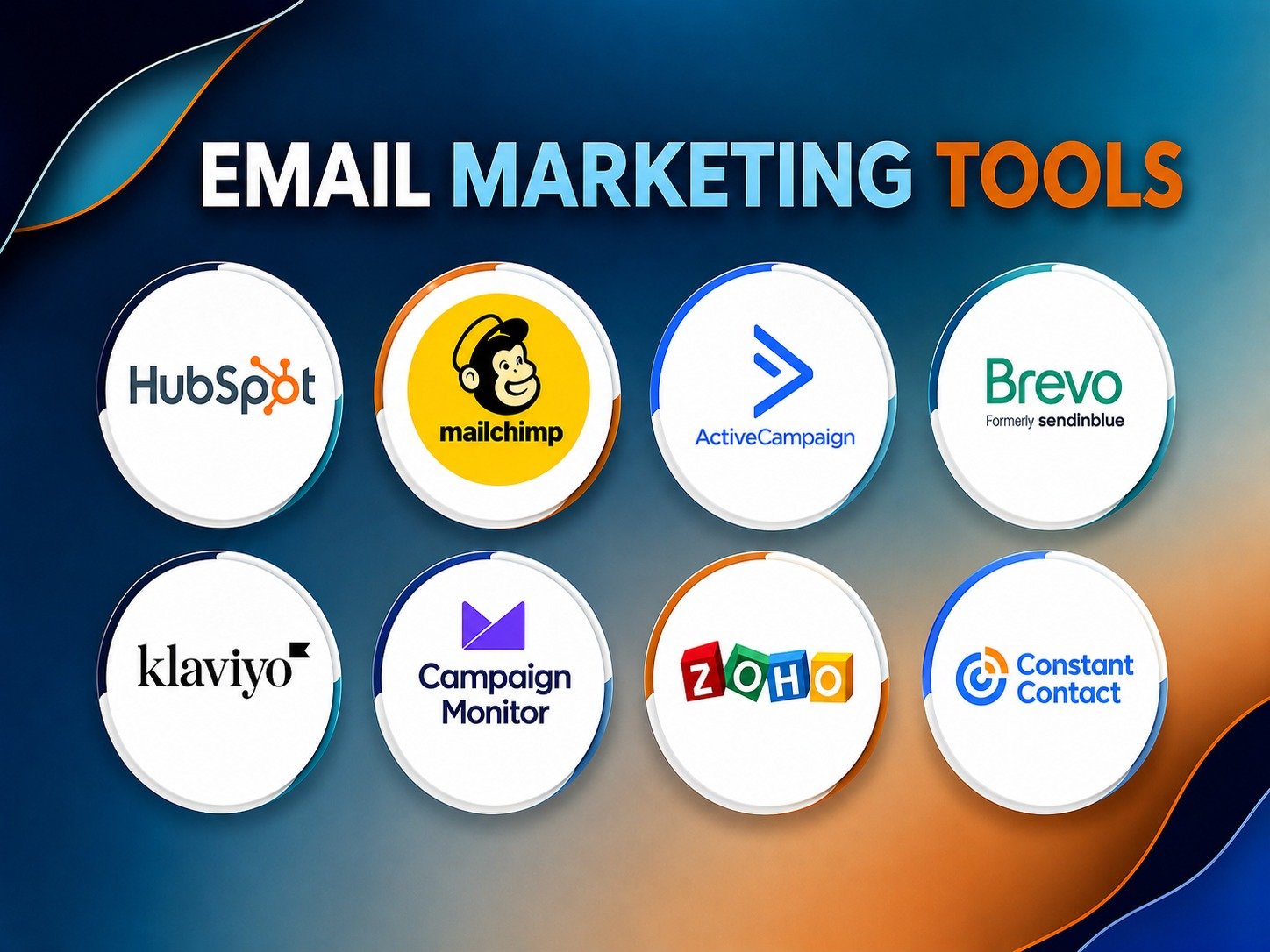
Popular email marketing and automation platforms include:
These tools help automate welcome emails, drip campaigns, lead scoring, behavioral workflows, and follow-up sequences while maintaining consistent communication.
6. Leverage Intent Data
Not every subscriber is ready to purchase immediately.
Using Intent Data allows businesses to identify prospects actively researching solutions and send personalized emails when buying intent is highest.
This improves both engagement and conversion rates.
7. Write Subject Lines That Get Opened
A compelling subject line determines whether your email gets read.
Keep subject lines:
- Short
- Personalized
- Clear
- Benefit-focused
- Action-oriented
Avoid spammy language or misleading promises.
8. Include One Clear Call-to-Action
Every email should guide readers toward a single next step.
Examples include:
- Schedule a demo
- Download an eBook
- Register for a webinar
- Speak with an expert
- Request a consultation
A focused CTA increases click-through rates and reduces confusion.
9. Optimize Emails for Mobile Devices
A large percentage of B2B professionals check emails on their smartphones.
Use responsive templates, concise paragraphs, readable fonts, and mobile-friendly buttons to create a seamless reading experience across all devices.
10. Align Email Marketing with Sales
Sales and marketing teams should work together throughout the nurturing process.
Sharing engagement insights, lead scores, and qualification criteria helps both teams identify Sales-Qualified Leads faster and deliver a better buyer experience.
This alignment directly contributes to stronger Pipeline Growth.
11. Test, Measure, and Improve
Successful email campaigns are continuously optimized.
Test different:
- Subject lines
- CTA buttons
- Email layouts
- Personalization strategies
- Sending times
- Content formats
Regular A/B testing helps improve campaign performance over time.
12. Monitor the Metrics That Matter
Track key performance indicators to understand campaign effectiveness.
Focus on metrics like:
- Open Rate
- Click-Through Rate (CTR)
- Conversion Rate
- Reply Rate
- Unsubscribe Rate
- Revenue Generated
- Lead-to-Customer Conversion Rate
Data-driven optimization leads to stronger long-term results.
Common Email Lead Nurturing Mistakes
Avoid these common errors:
- Sending generic emails
- Ignoring audience segmentation
- Over-promoting products
- Sending emails too frequently
- Failing to personalize content
- Neglecting automation
- Not analyzing campaign performance
Eliminating these mistakes improves engagement and creates better customer experiences.
FAQ
Which email marketing tools are best for B2B businesses?
Popular tools include HubSpot Marketing Hub, Mailchimp, ActiveCampaign, Brevo, Zoho Campaigns, Campaign Monitor, Klaviyo, and Constant Contact. The best choice depends on your business size, budget, and automation requirements.
How often should nurturing emails be sent?
Most B2B businesses perform well by sending one or two value-driven emails per week while monitoring engagement levels.
Why is personalization important?
Personalized emails improve engagement, increase trust, and generate higher conversion rates compared to generic campaigns.
How does Intent Data improve email marketing?
Intent Data identifies prospects actively researching relevant solutions, enabling businesses to send timely, personalized emails that increase the likelihood of conversion.
Conclusion
Email lead nurturing continues to be one of the most effective strategies for converting prospects into customers in 2026. By combining audience segmentation, personalization, automation, educational content, and Intent Data, businesses can build stronger relationships and guide buyers through every stage of the sales journey. When supported by B2B Demand Generation Services, a well-planned email nurturing strategy generates more Sales-Qualified Leads, accelerates Pipeline Growth, and drives sustainable business growth.
